Compendium › Meditation › Foundations
Sitting with the Breath
The plainest meditation there is: sit comfortably, follow the ordinary breath, and every time attention wanders, walk it home without commentary. The returning is the practice.
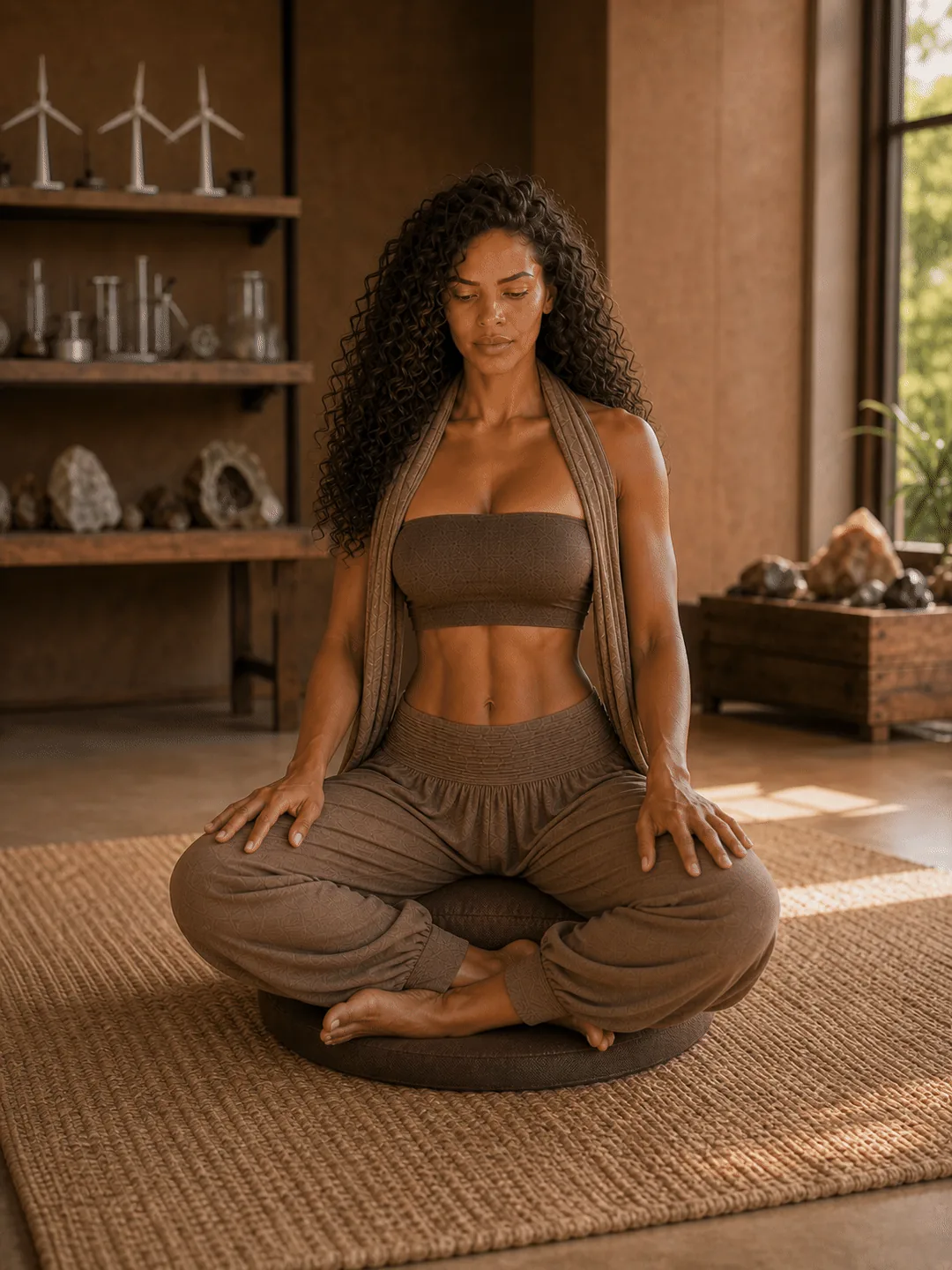
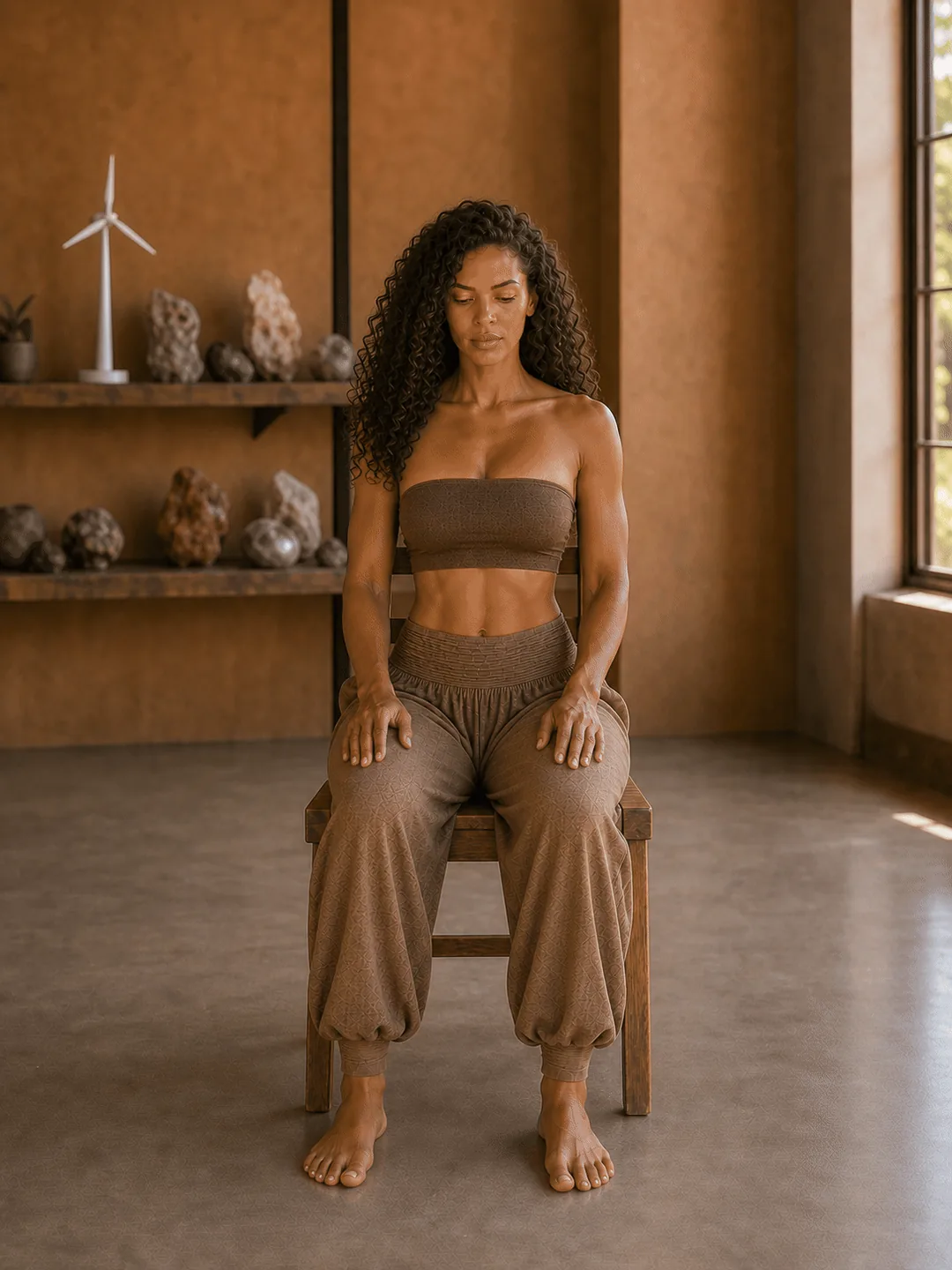
AI-generated demonstration image.
How it's practiced
- Sit on a chair or cushion so the spine is tall but not held — dignified and at ease.
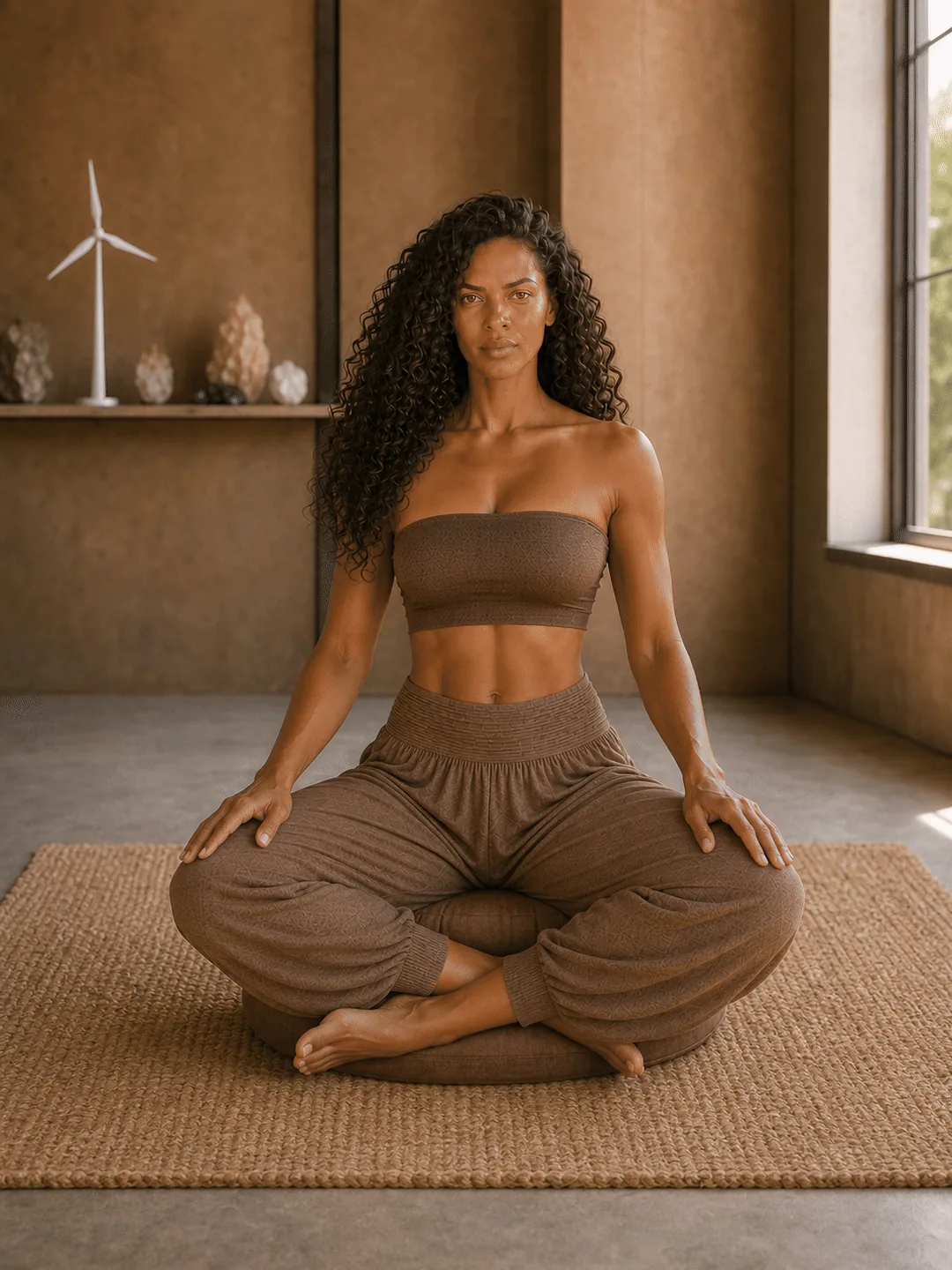
- Rest the hands anywhere comfortable. Let the eyes close, or lower the gaze softly to the floor.
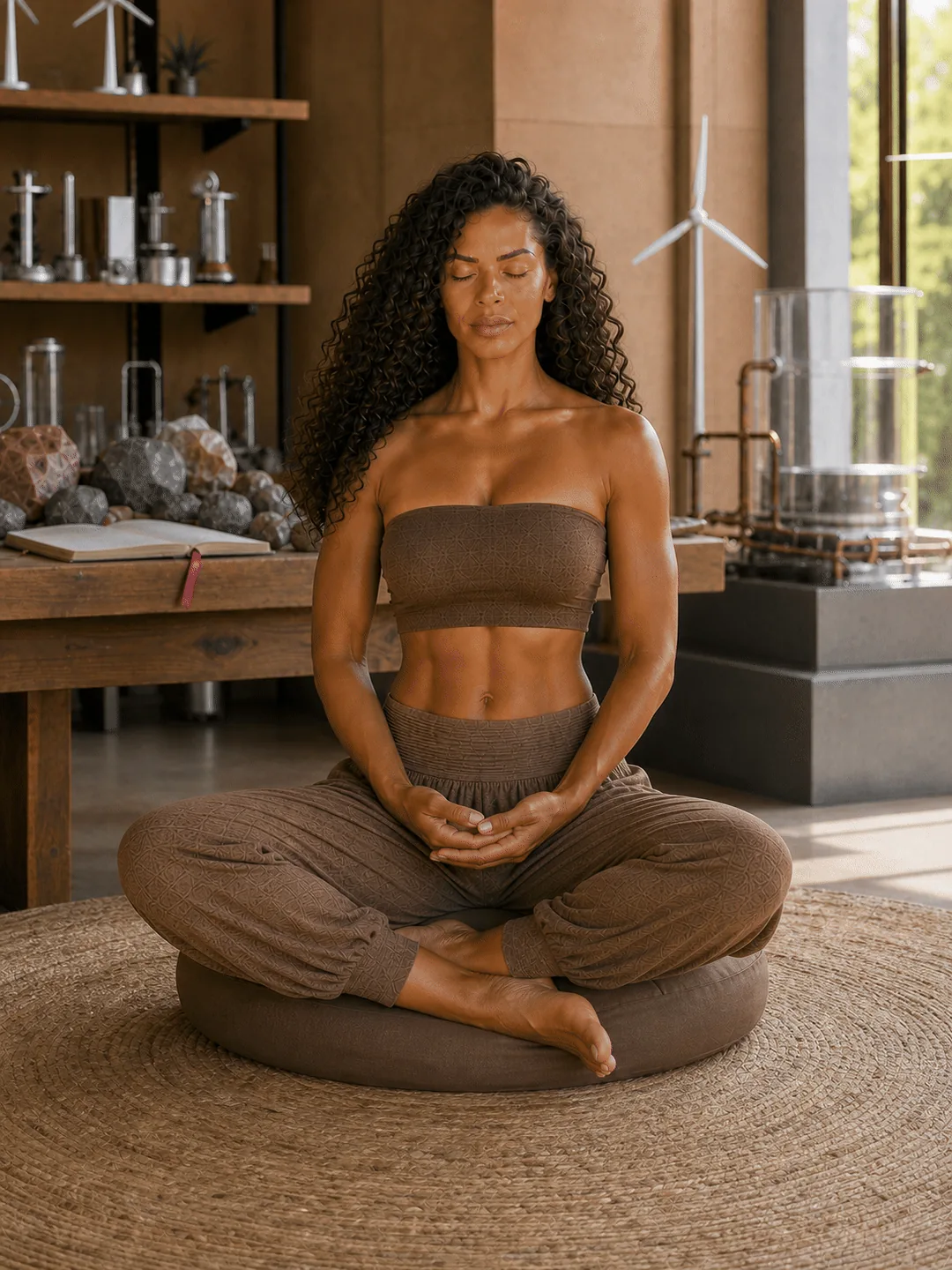
- Find the breath where it is most obvious — nostrils, chest, or belly — and let attention rest there.
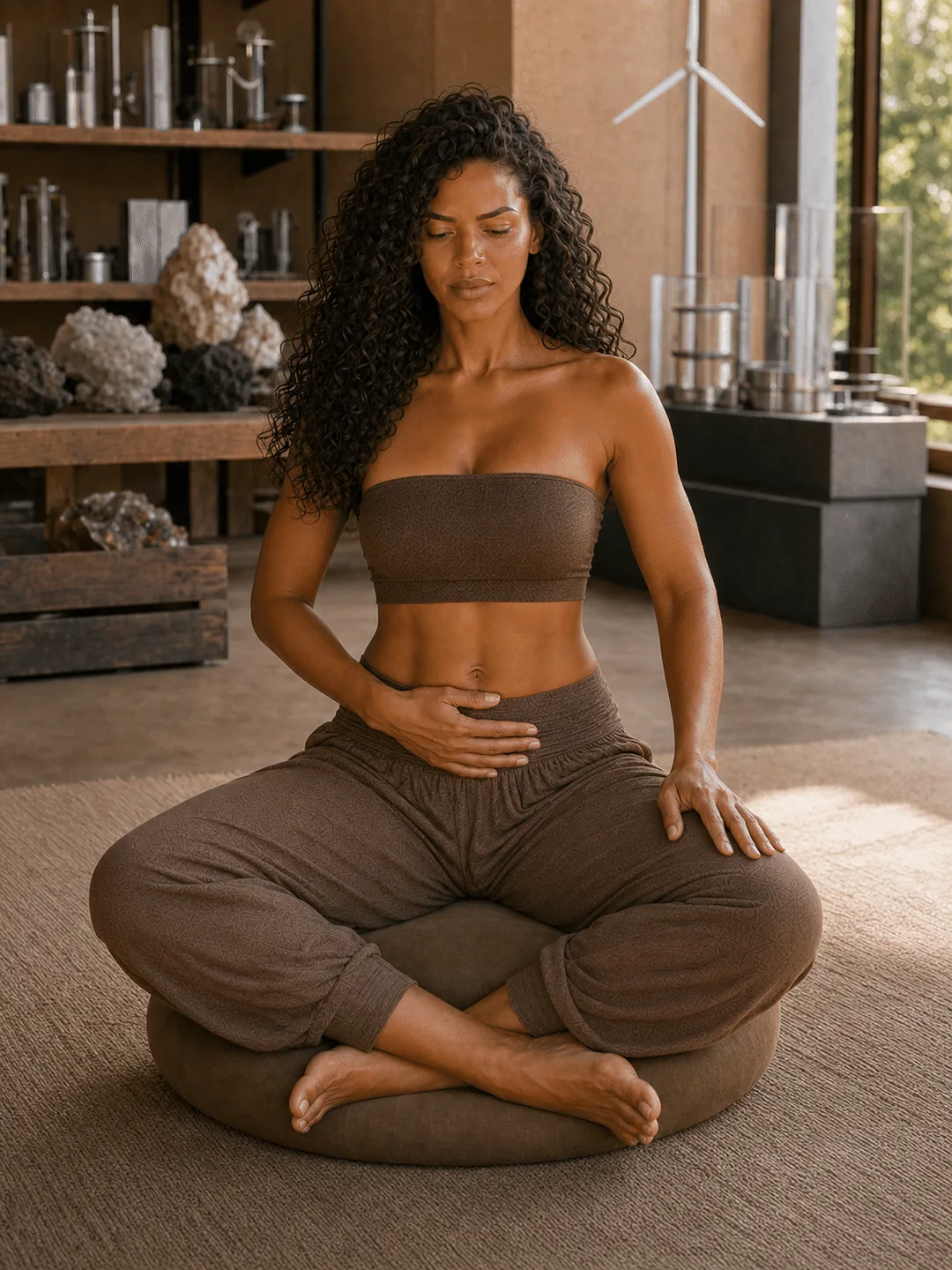
- When the mind wanders (it will, constantly, and that is not a malfunction), notice, and return to the breath without scolding.
- Continue for your chosen minutes. One is legitimate. Five is generous. Twenty is a season ticket.
- Before opening the eyes, notice the room's sounds, the body's weight, and let the sitting end on purpose rather than by escape.
Breath
The breath is not managed at all — it is only watched. If watching changes it, watch that too.
Variations
Seated Chair
The chair IS a first-class option, not a lesser one. Feet flat, back supported if needed.
Low Range
One minute, eyes open, gaze soft on the floor — a complete practice.
Supported
Lying down with knees bent if sitting is unavailable; accept that sleep may claim some sessions with honor.
How hard is it, honestly?
These two numbers are close — the practice is honestly what it appears to be.
What's happening in the body — and why
What is trained here is not calm but noticing — the moment you catch that attention has wandered and bring it back. That catch-and-return is the repetition, the way a bicep curl is a repetition, and reviews of brief mindfulness training report modest improvements in attention and self-reported stress. The wandering is not the failure; it is the equipment.
Regions most involved. Original diagram — schematic, not anatomical reference.
Muscles
- KINESIOLOGYLow-level postural engagement keeps the spine tall; everything else practices doing nothing.
- KINESIOLOGYThe skill trained is attentional, not muscular — noticing, releasing, returning.
Joints & skeleton
- KINESIOLOGYAny position that keeps the trunk comfortably upright works: chair, cushion, kneeling bench, or lying if sitting is unavailable (sleepiness is the trade).
Traditional organ framework
- —
Traditional energetic framework
- TRADITIONContemplative traditions describe settling attention with the breath as calming the mind's surface so depth becomes visible. Traditional framing.
What you might notice
Newer or limited mobility
EXPERIENCEFully accessible in any supported position. Expect the mind to leave dozens of times in five minutes — every single return counts as the practice working, not failing.
Moderate experience
EXPERIENCEPeriods of settling interrupted by planning, remembering, itching, and composing imaginary arguments. All normal. The gaps between wanderings widen slowly.
Experienced
EXPERIENCEInterest shifts from keeping attention still to knowing where it is — a quieter, kinder supervision.
Stop signals
- if meditation reliably surfaces overwhelming or distressing material, stop and seek guidance from a qualified teacher or mental-health professional — this is a known effect for some people, not a personal failing
- pain from the sitting position — change position; endurance sitting is not the goal
Effects over time
Right away
EXPERIENCESometimes calm; sometimes a vivid inventory of restlessness. Both are the practice. Responses vary.
Weeks
EVIDENCEReviews of brief mindfulness training report modest improvements in attention and self-reported stress over weeks; effects vary by person and program quality.
Months
EVIDENCELonger-term meditation research suggests durable changes in attention and reported wellbeing for sustained practitioners; methodology varies. No individual outcome is promised.
Recovery
None. Stiffness from sitting resolves with ordinary movement.
Timing & rhythm
- Time of day: PRACTICALMorning sits tend to actually happen; evening sits tend to become naps. Both are honorable.
- Food: PRACTICALHeavy meals invite drowsiness; otherwise any time.
- Frequency: Daily, in whatever dose survives your schedule. Consistency outranks duration by a wide margin.
Pairings
Combos with compounding effect
- breath.functional.physiological-sigh, qigong.zhanzhuang.wuji-standing — Settle the body standing, sigh the arousal down, then sit — a complete beginner's session in ten minutes.
Strength pairings
- —
Stretch pairings
- Gentle hip and neck movement after longer sits.
Everyday life
Any red light, elevator ride, or loading bar is a micro-sit: one breath watched all the way through. The progress bar becomes a meditation bell that thinks it's annoying you.
Contemplative pairing
Practice phrase: CANONOriginal Yarra practice phrase: Gone again; back again; no charge for the trip.
Mudra: Hands resting in any comfortable position; dhyana mudra optional and unmagical.
Take care
- trauma history or current mental-health crisis → practice with qualified professional support; intensive retreats are not a starting point
- meditation is not a substitute for professional mental-health care
Sources & further study
What this page is built on
- Reviews of mindfulness-based training, attention, and self-reported stress (cite specific reviews at page build)
- Classical breath-awareness instructions appear across contemplative traditions (e.g., anapanasati in Buddhist sources) — attributed as tradition
Follow it further
- EVIDENCENCCIH: Meditation and Mindfulness — Effectiveness and Safety (public domain)
- EVIDENCEMeditation systematic reviews on PubMed
Images on this page are original to this site. We do not republish third-party instructional photography; where another source is useful, we link to it rather than copy it. See our sources & images policy.
Your practice
Stored only in this browser. Mindful repetitions count; rushing doesn't. Optional goal — not a health target.