Compendium › Qigong › Eight Brocades
Seven Gentle Bounces
背后七颠百病消 · Bèi hòu qī diān bǎi bìng xiāo
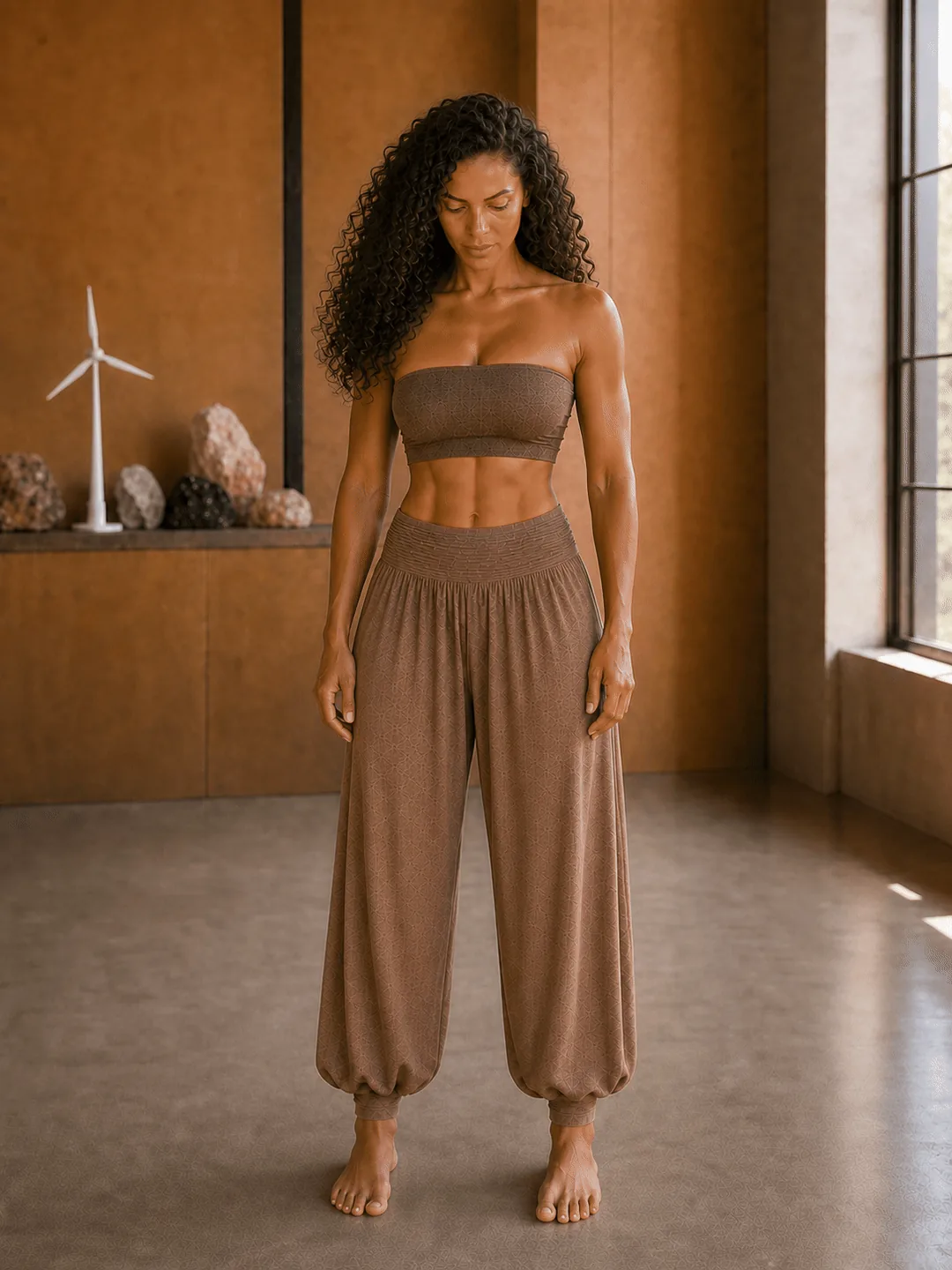
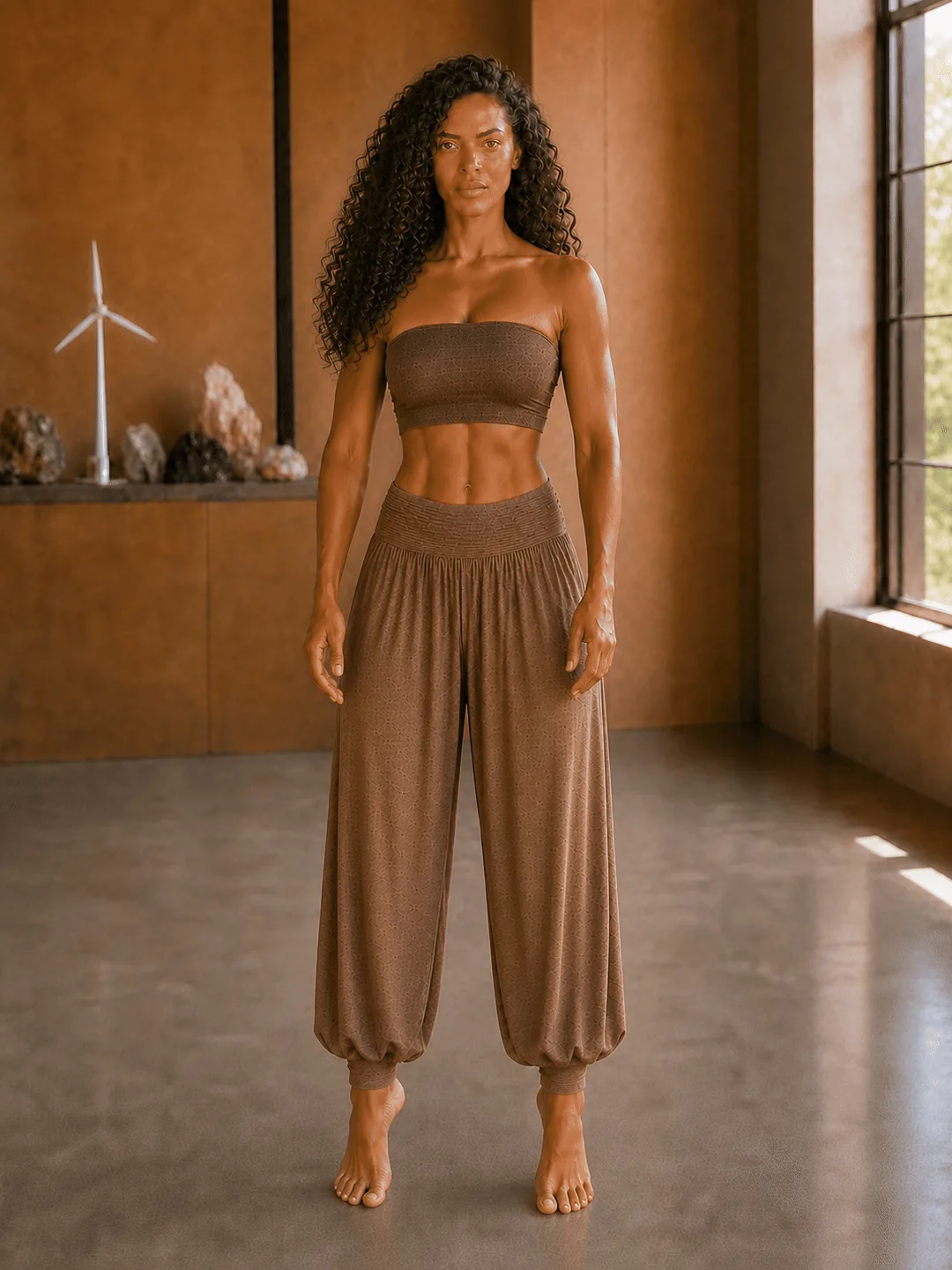
The closing brocade: rising softly onto the balls of the feet and letting the heels settle back down with a light, springy drop — traditionally seven times — like a tree testing its roots.
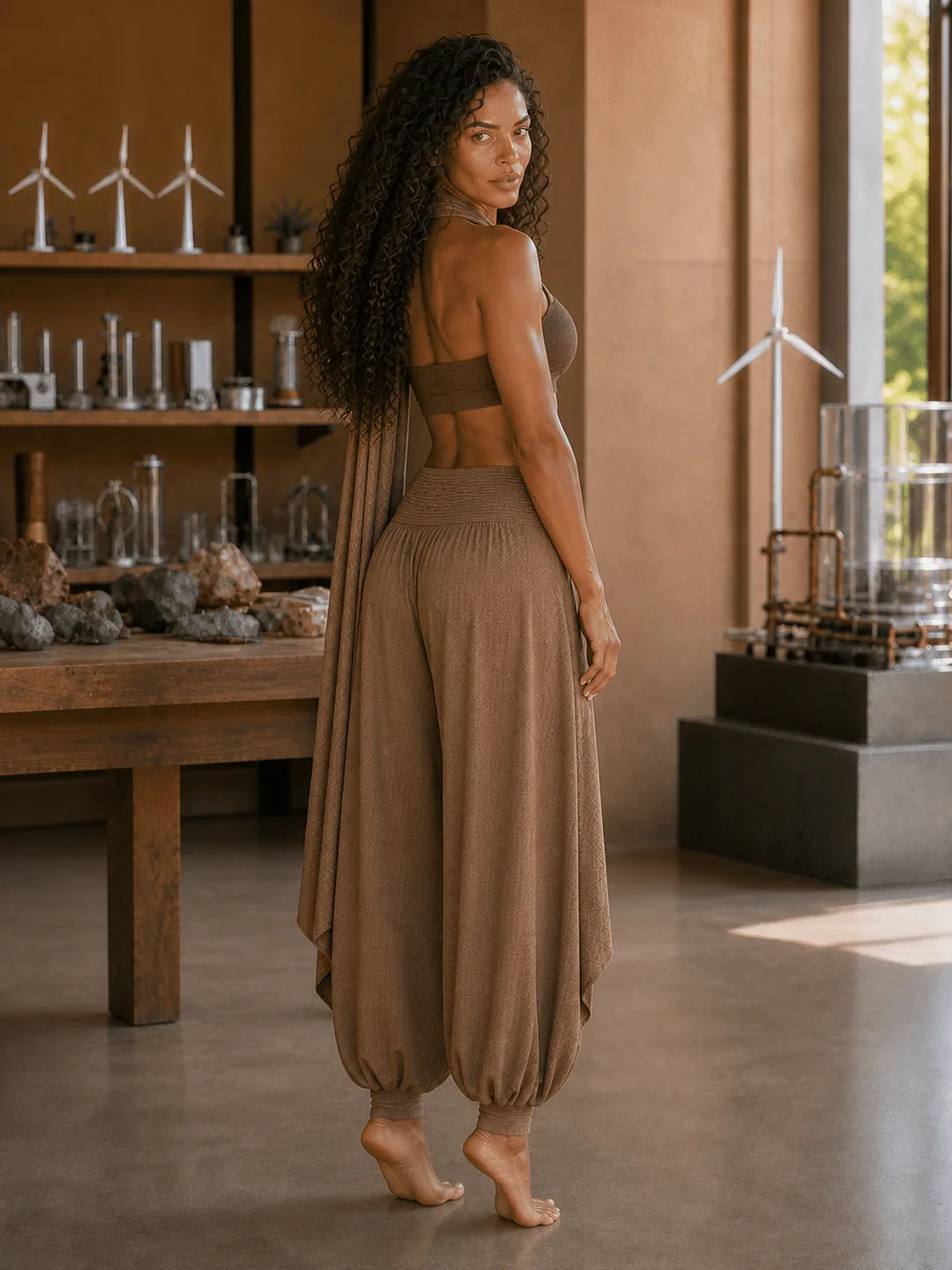
AI-generated demonstration image.
How it's practiced
- Stand tall with feet together or hip-width, arms relaxed at the sides, weight even across both feet.
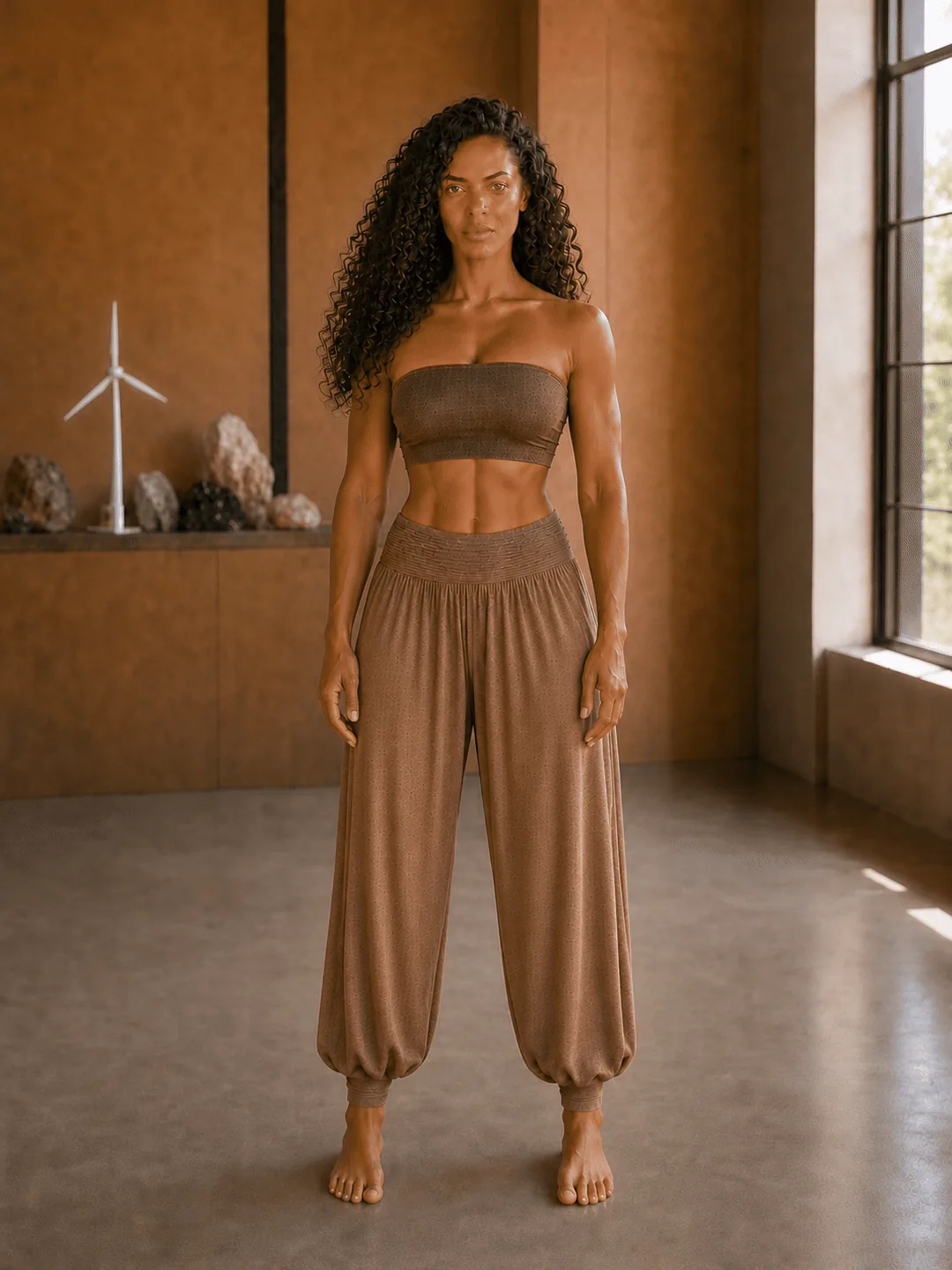
- Press gently through the balls of the feet and let the heels float upward — only as high as balance stays easy.
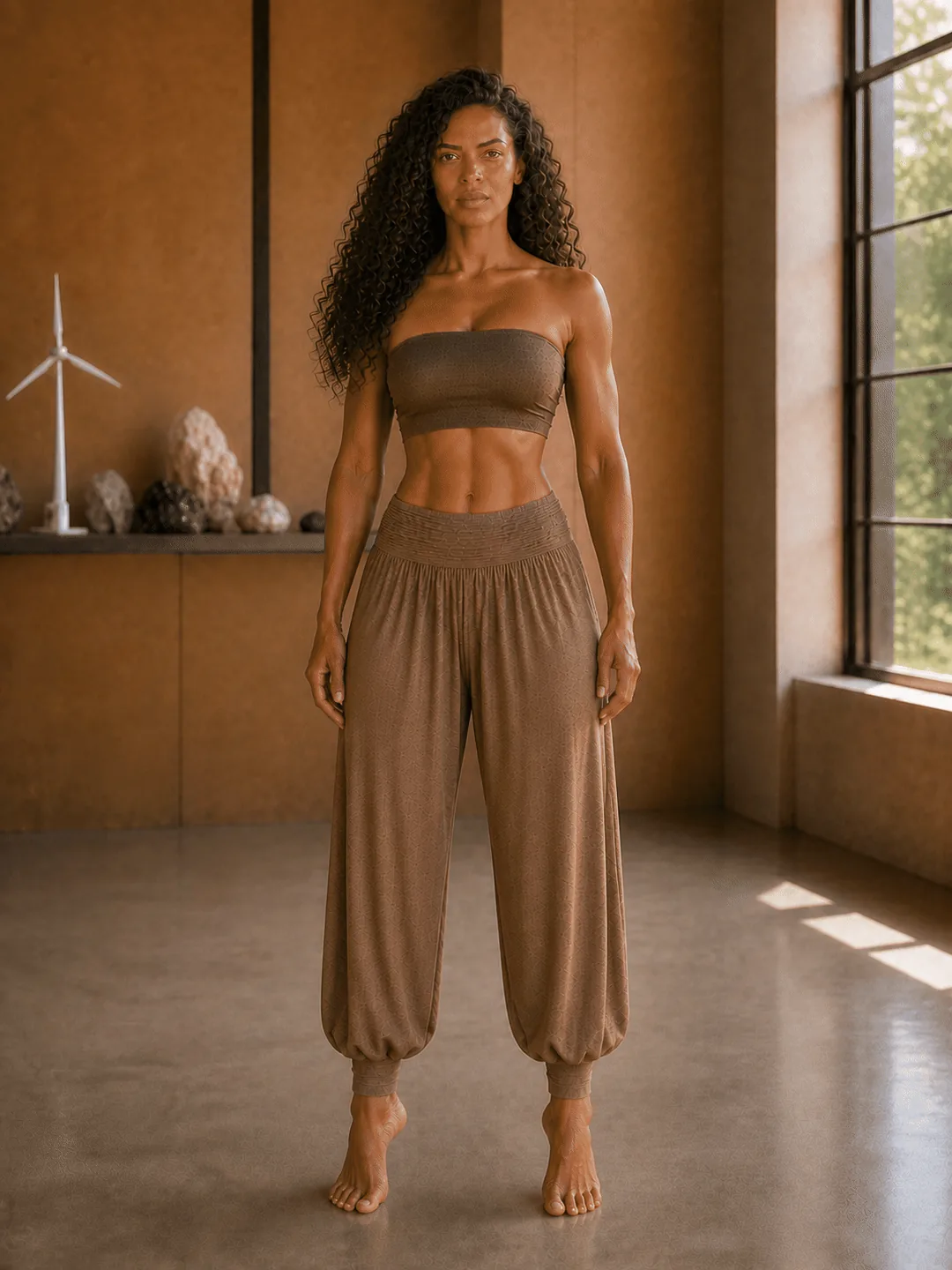
- Pause for an instant at the top, crown reaching upward, body in one quiet line.
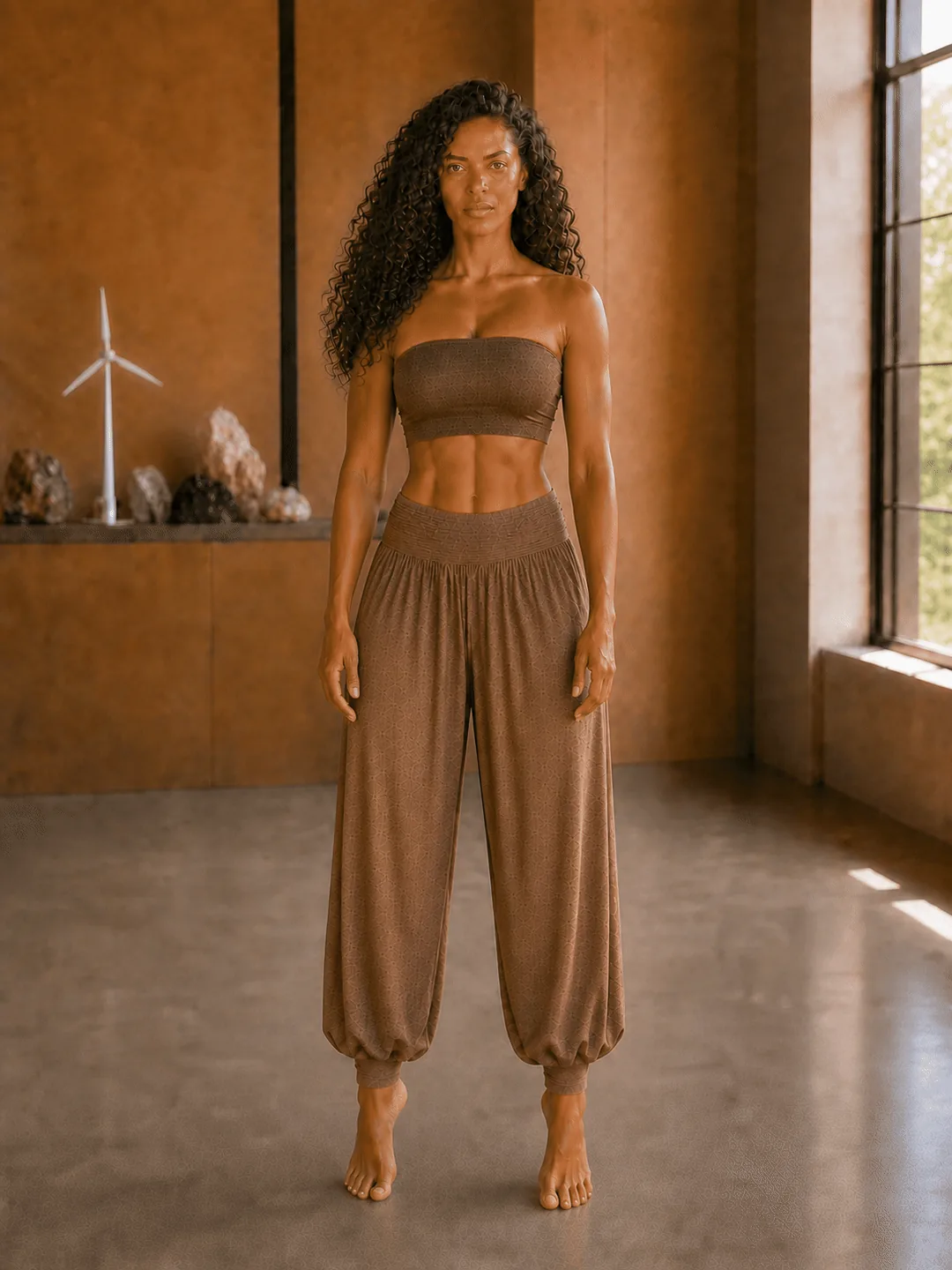
- Let the heels descend and land softly — a light, cushioned drop rather than a jarring thud.
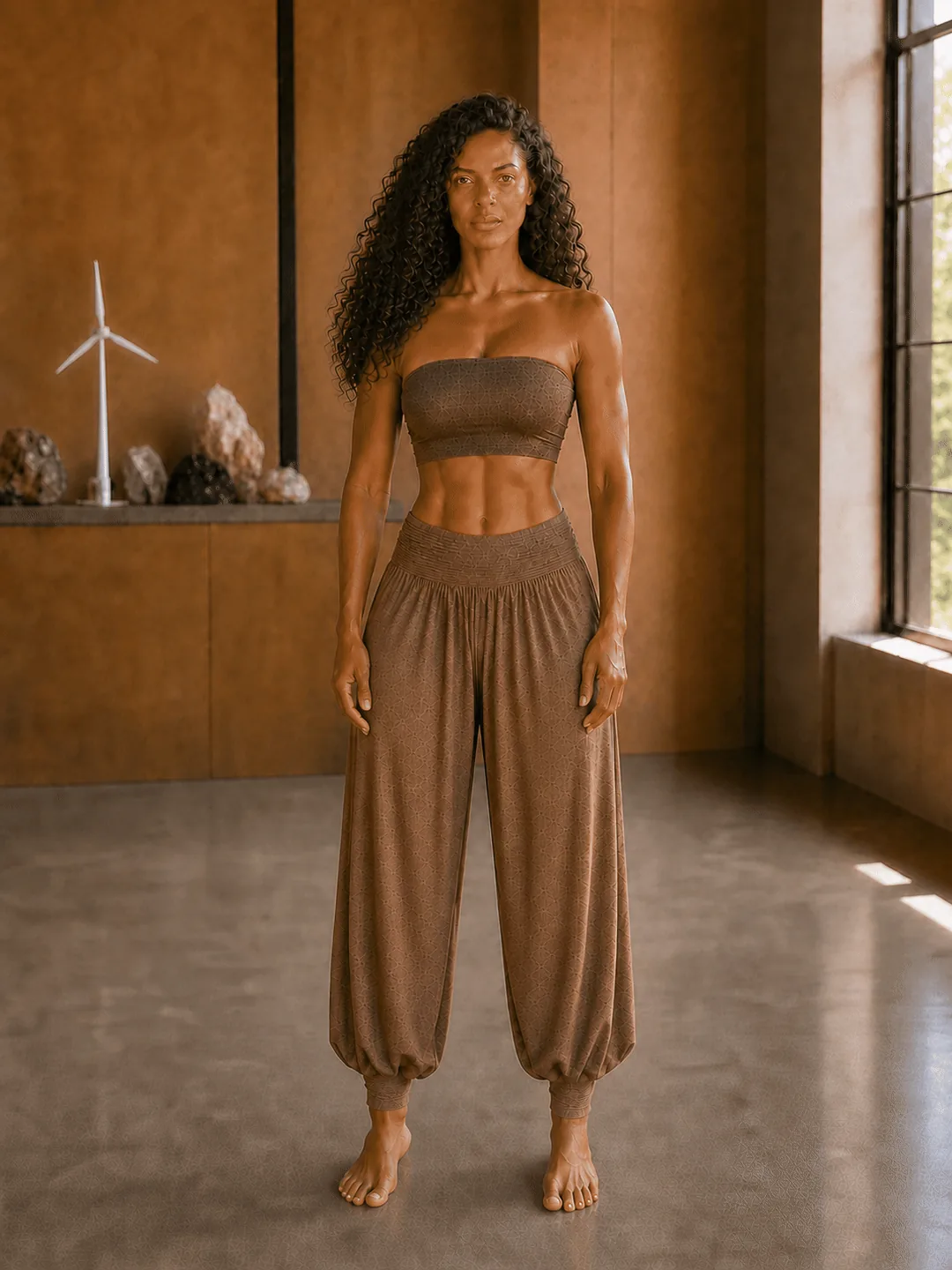
- Let the small vibration travel up through the body without bracing against it.
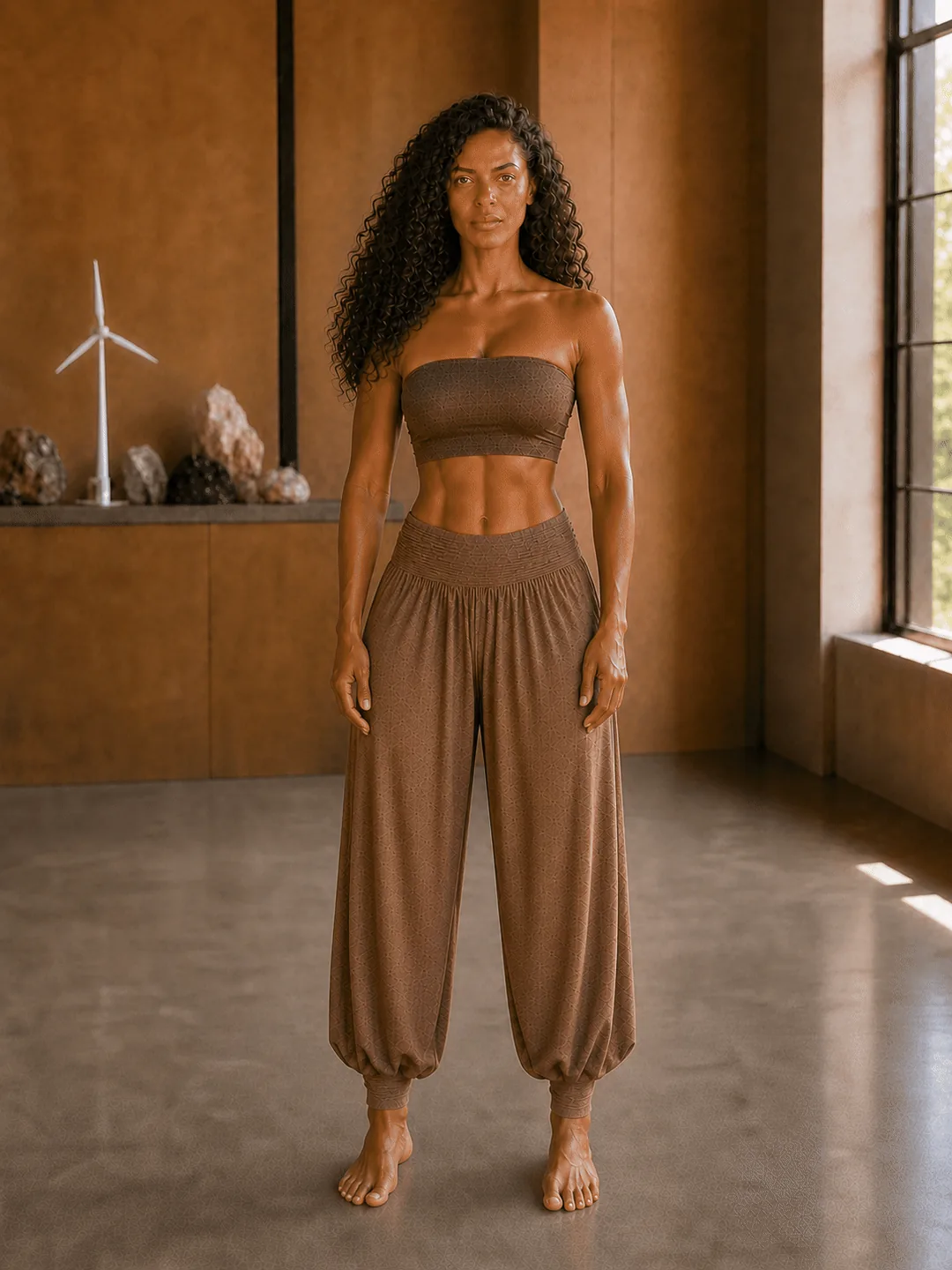
- Repeat for seven unhurried bounces, or fewer. Finish by standing still and noticing the feet.
Breath
Natural breathing; many practitioners inhale rising and exhale on the soft drop. Keep everything — jaw, shoulders, hands — loose enough to jiggle.
Variations
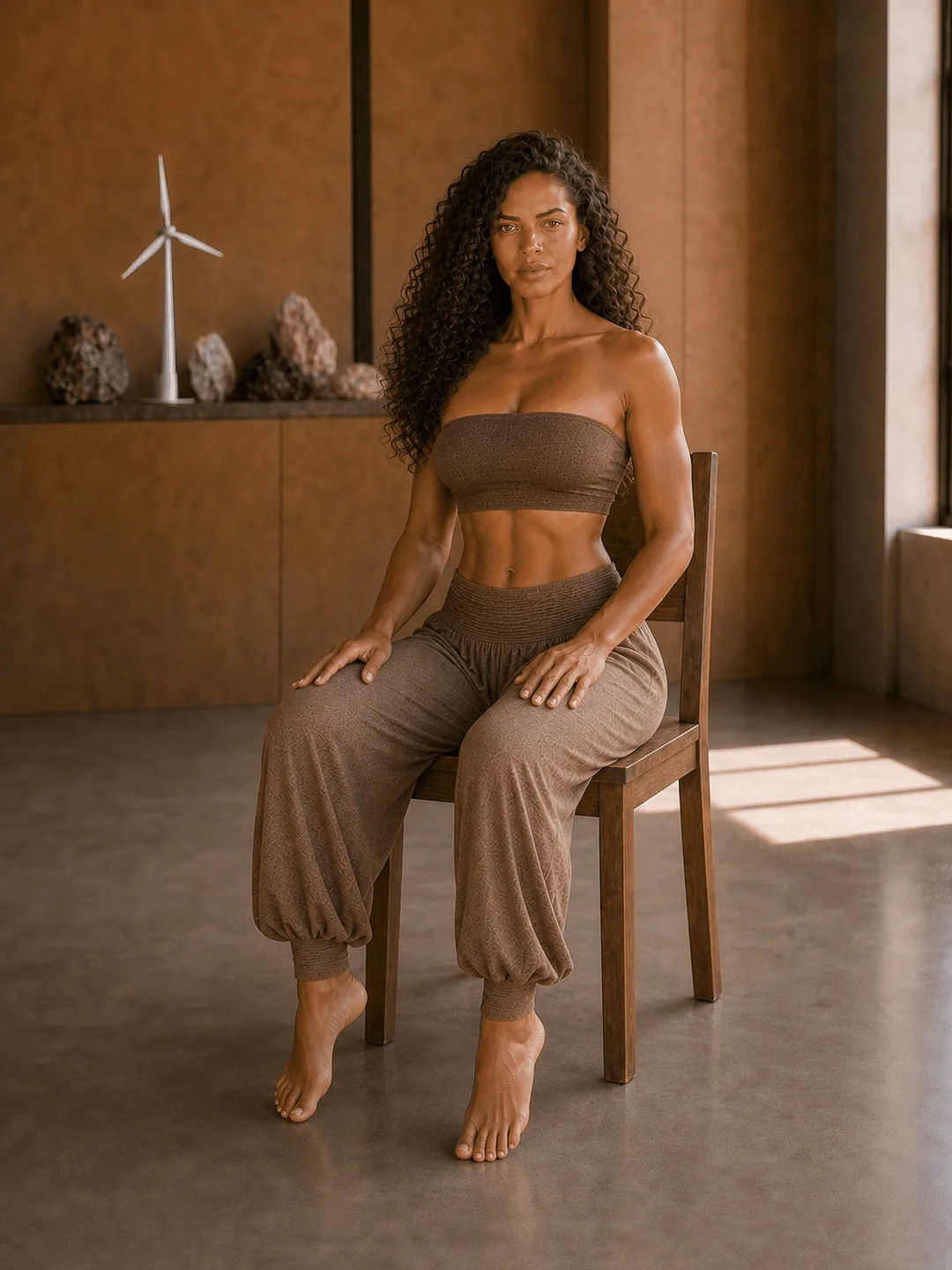
Seated Chair
Modern accessibility adaptation: seated with feet flat, lift and softly drop the heels together, letting the gentle vibration travel up the legs.
Supported
Modern accessibility adaptation: fingertips on a counter or sturdy chair back for balance; otherwise identical.
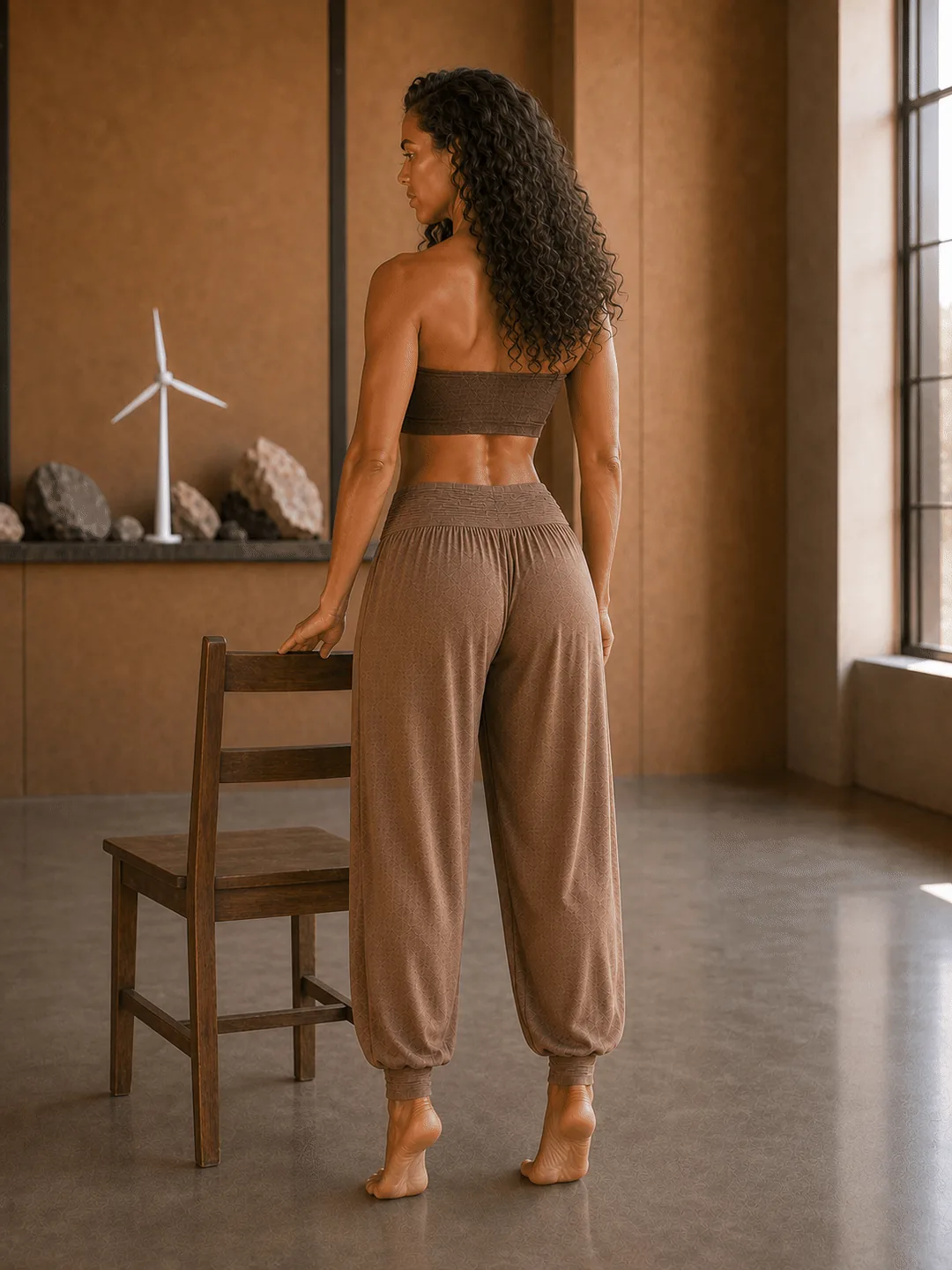
Low Range
Modern accessibility adaptation: rise only a centimeter and lower with no drop at all — a slow calf raise with a soft finish.
How hard is it, honestly?
A moderate gap: the traditional form asks noticeably more than the adapted one.
What's happening in the body — and why
Rising onto the balls of the feet is a small calf and balance task; the soft landing sends a brief, low-magnitude load up through the skeleton. The instruction to stay loose is the whole technique — a relaxed body lets the vibration pass through, while a braced one simply absorbs a jolt. It closes the set by returning attention to the feet.
Regions most involved. Original diagram — schematic, not anatomical reference.
Muscles
- KINESIOLOGYCalves (gastrocnemius and soleus) lift and lower the body; intrinsic foot muscles balance on the forefoot.
- KINESIOLOGYPostural chains absorb the gentle landing elastically.
- KINESIOLOGYAnkle stabilizers manage the narrow balance moment at the top.
Joints & skeleton
- KINESIOLOGYAnkle plantarflexion to a comfortable height and controlled return.
- KINESIOLOGYBrief, low-magnitude axial loading through the skeleton on each soft landing.
- KINESIOLOGYThe spine stays tall and springy rather than rigid.
Traditional organ framework
- TRADITIONThe classical rhyme claims the bounces 'dispel the hundred illnesses' — an obviously poetic flourish, quoted here as tradition. It is not a medical claim, and this compendium makes none for it.
Traditional energetic framework
- TRADITIONTeachings describe the vibration as settling qi downward and shaking loose residual tension, closing the set. Traditional imagery, not a mechanism.
What you might notice
Newer or limited mobility
EXPERIENCEBalance on the forefoot can be surprisingly demanding. Keep a hand on a counter or chair back, lift the heels barely, or use the seated variant — the soft settling is the point.
Moderate experience
EXPERIENCEA springy calf workout and a mild, not-unpleasant vibration on each landing. Sensations vary.
Experienced
EXPERIENCEExplore how quiet the landing can become and how completely the body can stay relaxed while the vibration passes through.
Stop signals
- foot, ankle, or knee pain on landing
- loss of balance — move to support immediately
- dizziness or faintness
- any pain that sharpens with the vibration
- any severe or persistent symptom: stop and seek appropriate medical help
Effects over time
Right away
EXPERIENCEPractitioners often describe feeling settled, grounded, and 'finished' — this is the set's closing gesture. Responses vary and are not diagnostic.
Weeks
EXPERIENCEForefoot balance and landing softness typically improve with repetition. No reliable source establishes a guaranteed timeline for this single movement.
Months
EVIDENCEFull-set evidence only: multi-week Ba Duan Jin program studies suggest possible improvements in balance-related measures in studied populations; no Move-08-specific claim is supported.
Recovery
Calves may feel lightly worked, especially if the bounces are new. Fewer, softer bounces next time if soreness lingers.
Timing & rhythm
- Time of day: PRACTICALNo source-backed requirement. Traditionally the closing movement of the set; it also works alone as a grounding pause after long sitting.
- Food: PRACTICALNo evidence-based interval; unaffected by meals for most people.
- Frequency: Traditionally seven bounces closing the full set. Fewer is fine; softer is better.
Pairings
Combos with compounding effect
- qigong.baduanjin.two-hands-hold-up-the-heavens — Open and close: the first brocade lengthens toward the sky, the last settles into the ground — a complete two-minute bookend when time is short.
Strength pairings
- KINESIOLOGYModern cross-training option — not part of Ba Duan Jin: slow calf raises to a comfortable height build the same lift under a coach's guidance.
Stretch pairings
- Modern optional pairing: a relaxed wall calf stretch after the final bounce.
Everyday life
Waiting for the kettle, rise to your toes and settle seven times, softly enough that the kettle doesn't hear it. The floor is a drum; play it gently.
Contemplative pairing
Practice phrase: CANONOriginal Yarra practice phrase: Breathing in, I rise like a root finding rain; breathing out, I land where I already was.
Meditation pairing: Standing still after the last bounce, feeling the feet from inside, for three breaths.
Take care
- osteoporosis or fragility conditions → no drop; slow low-range lowering only, professional guidance
- foot, ankle, or knee conditions → seated or low-range variant
- balance disorders or fall history → supported or seated variant only
- pregnancy → supported variant, minimal drop
- recent surgery → professional clearance first
Sources & further study
What this page is built on
- Health Qigong — Ba Duan Jin (Chinese Health Qigong Association, official standardized form)
- Peer-reviewed systematic reviews on Ba Duan Jin programs (full-set evidence; cite specific reviews at page build)
Follow it further
- REFERENCEBaduanjin qigong — overview
- EVIDENCEBaduanjin research on PubMed
Images on this page are original to this site. We do not republish third-party instructional photography; where another source is useful, we link to it rather than copy it. See our sources & images policy.
Your practice
Stored only in this browser. Mindful repetitions count; rushing doesn't. Optional goal — not a health target.